

Metalworking Lathes
Shop by Category
Summary for Metalworking Lathes
Metal Lathes - Precision Machining Simplified
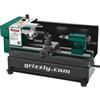
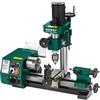
Our metal lathe lineup starts with benchtops offering options such as quick-locking tailstocks and spindle reversing switches for versatility during use. These compact lathes offer the torque you need to turn out accurate parts with the convenience of a small footprint.
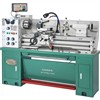
We also offer gearhead and gunsmithing lathes with advanced features and high capacity for professional level turning, facing, and threading. These models are ready to produce custom parts and threads, face workpieces, and machine components according to your exact specifications.
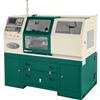
And if you need large-volume industrial production, we offer our top-of-the-line South Bend lathes with an emphasis on traditional lathe design enhanced by technology.
Frequently Asked Questions:
What are the most important features of metal lathes?
- Swing and distance between centers: Swing is the maximum diameter of a workpiece that can clear the bed, and distance between centers is greatest length you can mount between the headstock and tailstock.
- Spindle bore and speed: Important factors for matching speed to material hardness and diameter, managing surface finish, and minimizing vibration.
- Motor power and torque: The higher the HP the larger the diameter and harder the material you can cut. Torque allows for efficient slow-speed, heavy-duty cutting.
- Bed and frame construction: Cast-iron beds and frames provide stability and reduce vibration to ensure turning accuracy.
What are some tips for new metal lathe users?
- Learn the controls before you get started; get familiar with the carriage, cross slide, compound rest, and other key components before you turn the machine on.
- Use a softer material for your first run - softer materials are easier to process and more forgiving of speed and feed errors.
- Make sure your tools are sharp and correctly ground to get the best possible finish on every project.
- Properly secure your workpiece by tightening the chuck and checking for runout before starting.
- Use lower RPMs for harder, larger diameter materials and higher RPMs for softer, smaller materials.
We are experiencing {{ network.message }}
We're sorry, we couldn't find any results{{ !keywords ? '...' : '' }}
for '{{ searchWithin }}'
{{ searchWithin ? ' within' : ' for' }}
'{{ keywords }}'
Did You Mean?
Summary for Metalworking Lathes
Metal Lathes - Precision Machining Simplified
Our metal lathe lineup starts with benchtops offering options such as quick-locking tailstocks and spindle reversing switches for versatility during use. These compact lathes offer the torque you need to turn out accurate parts with the convenience of a small footprint.
We also offer gearhead and gunsmithing lathes with advanced features and high capacity for professional level turning, facing, and threading. These models are ready to produce custom parts and threads, face workpieces, and machine components according to your exact specifications.
And if you need large-volume industrial production, we offer our top-of-the-line South Bend lathes with an emphasis on traditional lathe design enhanced by technology.
Frequently Asked Questions:
What are the most important features of metal lathes?
- Swing and distance between centers: Swing is the maximum diameter of a workpiece that can clear the bed, and distance between centers is greatest length you can mount between the headstock and tailstock.
- Spindle bore and speed: Important factors for matching speed to material hardness and diameter, managing surface finish, and minimizing vibration.
- Motor power and torque: The higher the HP the larger the diameter and harder the material you can cut. Torque allows for efficient slow-speed, heavy-duty cutting.
- Bed and frame construction: Cast-iron beds and frames provide stability and reduce vibration to ensure turning accuracy.
What are some tips for new metal lathe users?
- Learn the controls before you get started; get familiar with the carriage, cross slide, compound rest, and other key components before you turn the machine on.
- Use a softer material for your first run - softer materials are easier to process and more forgiving of speed and feed errors.
- Make sure your tools are sharp and correctly ground to get the best possible finish on every project.
- Properly secure your workpiece by tightening the chuck and checking for runout before starting.
- Use lower RPMs for harder, larger diameter materials and higher RPMs for softer, smaller materials.
Shop By Category
- Abrasives & Sanding
- Adhesives
- Air Accessories
- Air Compressors
- Automotive Equipment
- Woodworking Bandsaws
- Contractor, Home & Shop
- Cutlery
- Cutting Tools
- Drill Presses
- Drilling & Boring
- Dust Collection Accessories